

ADHD Time Blindness: It’s Not That We Don’t Care
People with ADHD get labelled all sorts of things – disorganised, forgetful, always late, poor timekeepers. And while some of that might look true from the outside, let’s be clear:
- It’s not because we don’t care
- It’s not because we’re lazy
- And it’s definitely not because we’re trying to be difficult, I promise you!
Time blindness is a real thing, and if you’ve got ADHD (or live or work with someone who does), there’s a high chance it’s running the show more often than you realise.
What It Feels Like (From the Inside Out)
Time blindness means many of us have no reliable sense of how long things take. You might lose an hour replying to one email… or find yourself (ten minutes before a call) waist deep in cleaning out a cupboard you haven’t opened since 2019. (Turns out condiments do have expiry dates – who knew?)
There are days where we sit down thinking we’ve got loads of time, then look up and realise the entire afternoon’s vanished. Lunch? Missed. Again. Other times we convince ourselves there’s not enough time to do anything properly, so we just… don’t start, it’s like an invisible handbrake that’s jammed on!
And how can someone feel so unbelievably busy all day, yet end up with a to-do list that’s barely budged? The key tasks look back with a sarcastic smirk like, “Ha! We won again!”
Often, we see the start of a task and the end result in our heads – and skip right over the middle. It’s like mentally long-jumping from “I’ll write that report” to “I’ve sent it off and it’s brilliant,” while conveniently forgetting it actually involves opening the doc, finding notes, wrangling thoughts, writing, editing, attaching, sending… you get the idea.
We know those steps are there – we just don’t feel them. And that’s where time vanishes.
Why It Happens (The Science Bit, But Simple)
ADHD affects how the brain processes time. The bits responsible for estimating, sequencing, and forward planning don’t work the same way. That means:
- We can’t always feel how much time is passing
- We wildly misjudge how long things will take
- We struggle to get started unless something is urgent or exciting
- Future deadlines don’t feel real – until it’s nearly too late. Then suddenly, the only time we can feel is the time we’ve run out of… cue blind panic, incoming!
It’s not a mindset issue. It’s not about effort. It’s how we’re wired.
Want a Bit More Science?
Time blindness is tied to executive function – the brain’s control panel for planning, sequencing, prioritising, and time awareness.
For ADHD brains, the prefrontal cortex (the bit that helps regulate time and dopamine) doesn’t work the same way. We tend to live in only “now” or “not now” mode. If it’s not happening right this second (or in the next five minutes), it goes into the “deal with it later” pile… which is basically a black hole.
This isn’t laziness.
It’s neurology…. further information here
The Gardening Vortex (aka How an Entire Afternoon Disappeared)
Here’s a great example of one of my episodes: time blindness is like going outside to deadhead one plant….
Just one...
Then you spot a few weeds… and before you know it, you’re shoulders deep in a full scale border revamp – even the dog’s rolling her eyes like, “Here we go again”
Hours disappear. Lunch? Still forgotten. That important work task? Not a chance!
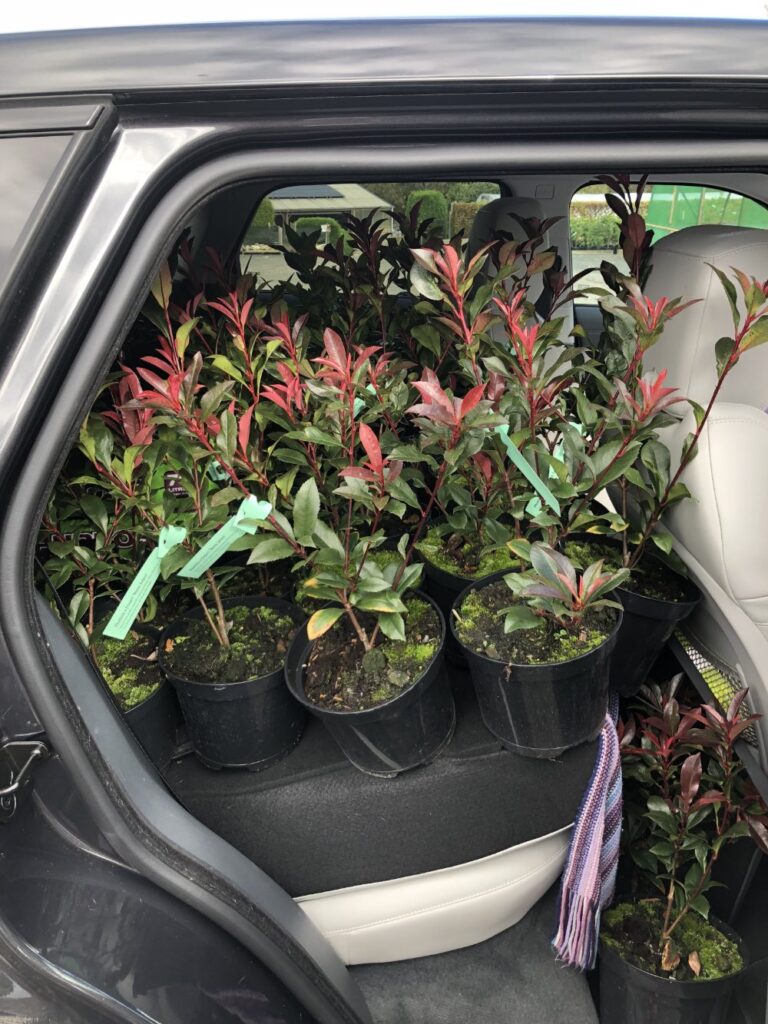
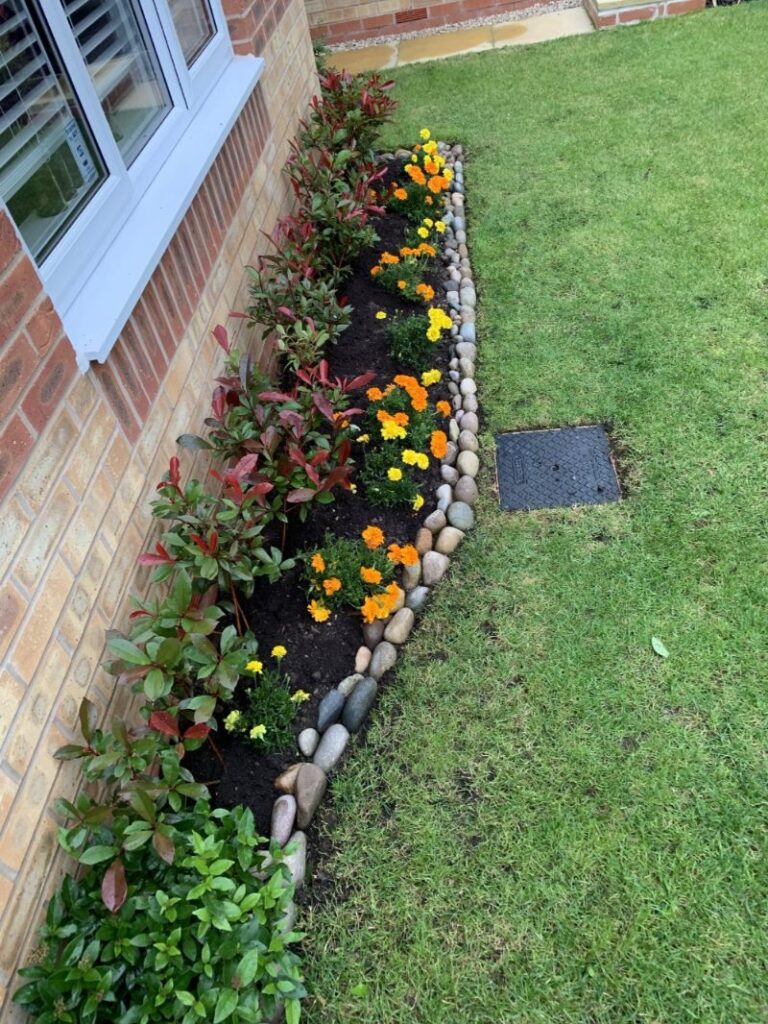
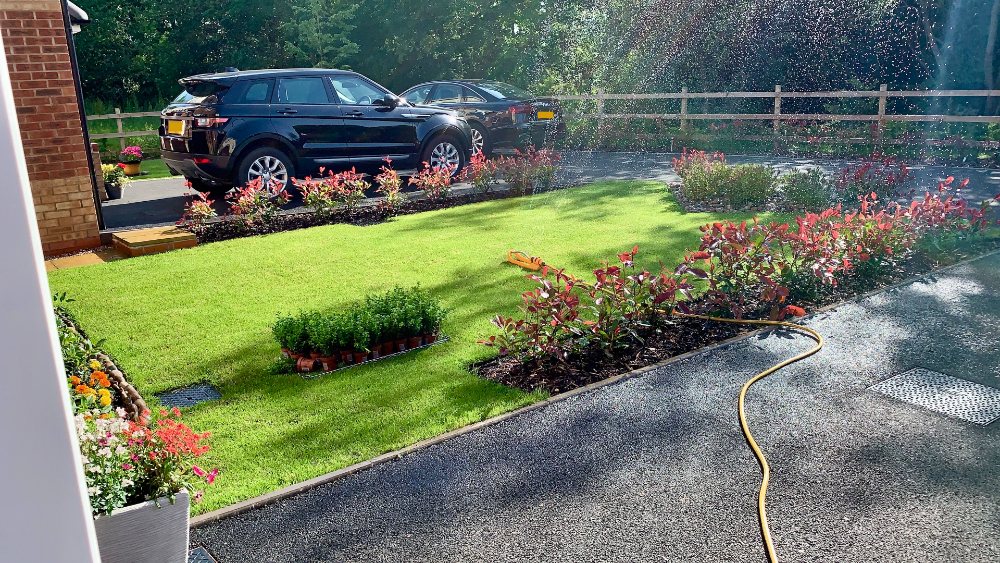
And when ADHD dopamine kicks in, fuelled by accidental productivity and blind optimism, it turns into a mission. Suddenly, you’re then at the garden centre buying 20 box bushes that have to go in. Tonight. By head torch if need be! Because clearly, we must wake up and see those bad boys planted by morning – otherwise they’ll still be in the boot next June.
If we don’t do these things the moment we think of them, there’s a very real chance it’ll never happen. So yes – I planted these bushes in the dark…. by head torch…. Obviously.
These kinds of things are not intentional. It’s not careless.
It’s just how our brains process time – or don’t.
P.S. For all you garden connoisseurs out there – the correct name for these little bushes is Photinia × fraseri ‘Little Red Robin’

But We Do Care
This is the bit people miss when we’re late, forget something, or blow a deadline – they assume we didn’t care.
But often, it’s because we care so much that things spiral.
So many of us have pushed ourselves into guilt overdrive – misjudging time, then working late, re-checking everything twice, bending over backwards to make up for it.
It’s exhausting. And it leaves little room to actually rest or breathe.
What Can Help
Let’s be real – this isn’t magically solved by a planner and a positive attitude. But there are tools that make a real difference:
- Timers, alarms, smart watches, and Alexa – total game changers
- Visual clocks – analogue ones that actually show time passing
- Working backwards from a deadline – and allowing extra space
- Buffer time – because nothing ever just takes 10 minutes
- Accountability – check-ins, reminders, structure from someone else
We don’t always get it right. But with the right scaffolding, we get it right more often.
The Rest Conundrum (When Even Rest Feels Wrong)
Even when there’s space to rest, switching off can feel impossible.
Many of us work for ourselves, love what we do, and still feel like we haven’t done enough.
That “should have, could have” voice is always on. It stops us relaxing – and when we finally crash, it’s hard.
Proper rest takes discipline.
It takes enforced boundaries.
It takes retraining our brains to accept “enough” – and that’s still a work in progress for many of us.
One Last Thing…
If any of this sounds familiar – whether you’ve got ADHD, suspect you might, or care about someone who does – you’re not alone. And you’re definitely not broken.
Time blindness is real. But with support, self-awareness, and some solid (external!) tools in place, it gets easier to stop fighting your brain… and start working with it.