Why I Do What I Do
If you’re anything like me, you’ve probably looked at someone’s business or website before and thought, what’s the real story behind everything here?
Not the polished version, but the bit underneath. The real reason they actually do what they do?
So I thought I’d share mine…
How It All Started
Let’s start with a fun fact: I landed my first job at Audi by pestering them for three months straight. I’d noticed they didn’t have a single female sales rep and kept pointing out, you do realise girls can sell cars too, right? (I’ve always been a bit of a petrol head – fast cars, sports bikes, the lot)
Eventually, the sales manager – Darren – gave me a week’s trial, to politely shut me up and get me off his back! I sold three cars in that first week, th the post and it looks like it did when I was designing it e first being an Audi TT. The weekly sales target for the boys was three cars at the time, so… let’s just say it went pretty well. I stuck around!
From there, I grew into the role and steadily climbed the ladder. I spent over 12 years at Audi, with the last seven focused on managing fleet sales across three Audi Centres. It was a high-performance, target-driven environment where results and relationships went hand in hand.

From Fuel Cards to 50 Fuel Stations
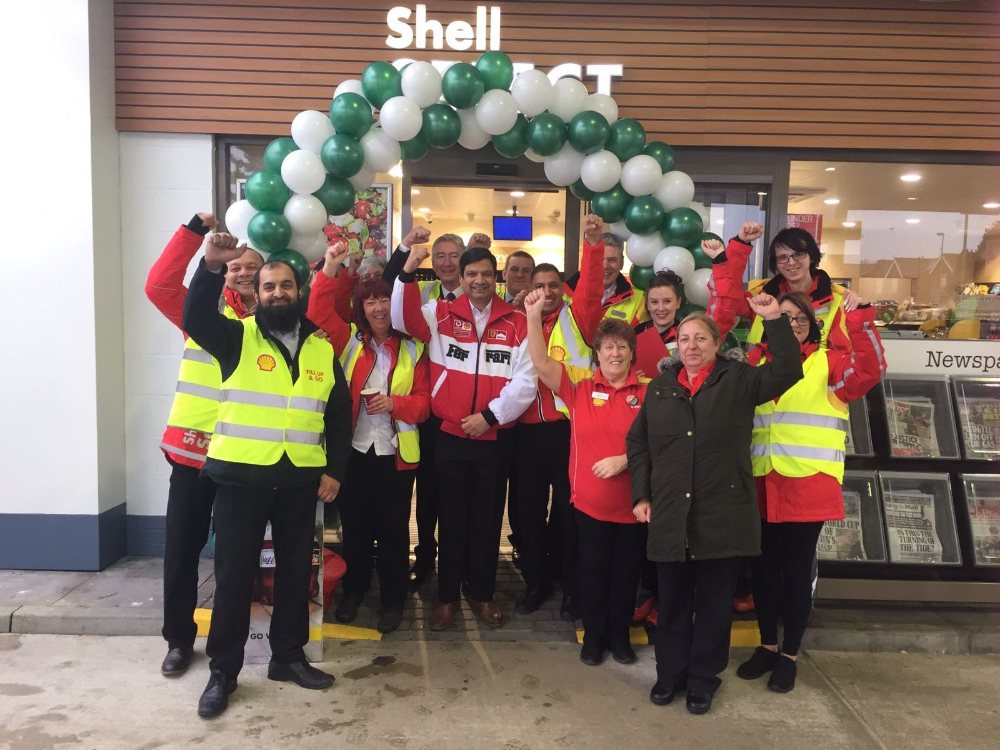
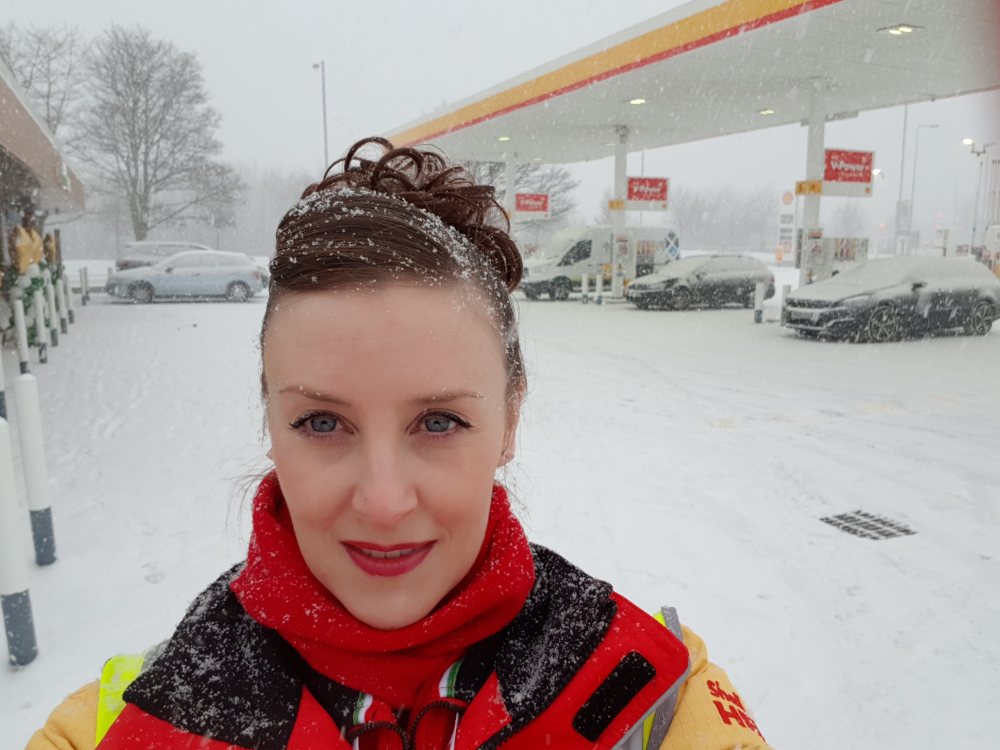
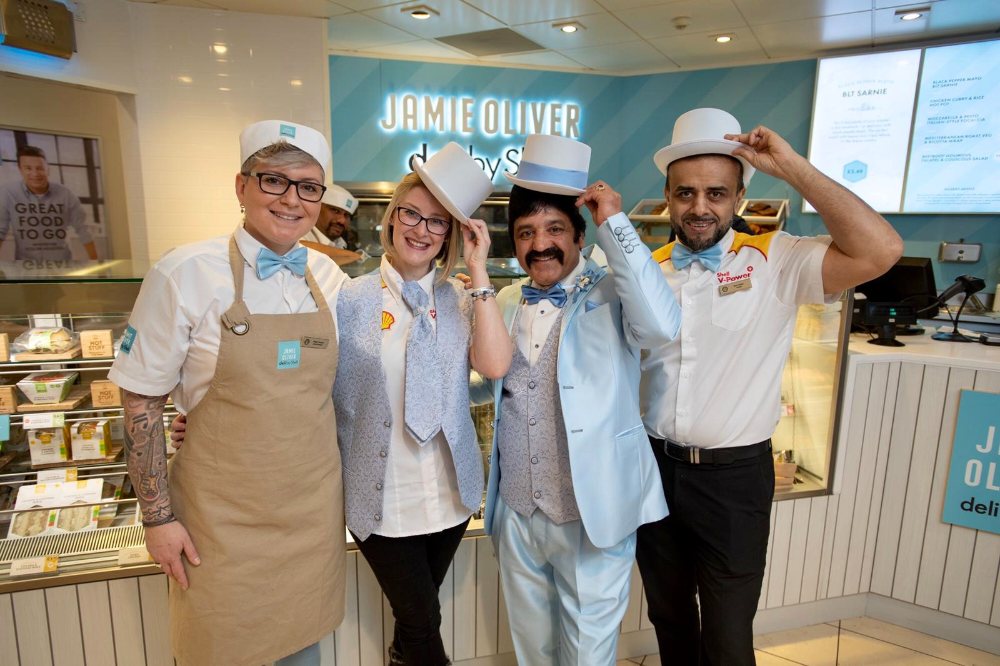
I started out in the fuel card division, looking after some of the largest UK accounts and gradually worked my way up through the business. In time, I became responsible for a network of over 50 company-owned fuel stations across the UK, including sites in the Midlands and central London. Many of these were dual-branded with Waitrose, combining fuel, convenience retail, and customer service into one big operational puzzle. As I progressed, I also took on senior focal roles across the wider operation, covering everything from health and safety and road safety to workplace wellbeing and mental health initiatives.
My job? To make sure every site performed – no exceptions. That meant managing P&Ls, driving sales, supporting team development, ensuring compliance, and never losing sight of the customer experience. The standards were high, especially for our franchisees. They were up against tough financial targets, strict compliance expectations, and constantly monitored customer satisfaction scores – all while operating in a high-pressure environment where health and safety was always the number one priority. I was there to help them succeed – to understand their challenges, support their teams, and make sure they had the tools, insight, and hands-on guidance they needed to deliver.
It was busy. It was full-on. It was a crash course in how to grow a business in a tightly controlled environment.
I learned that success wasn’t just about data or shiny spreadsheets. It was about people, process, and being willing to roll your sleeves up and get stuck in.
And I loved it!
Tokyo & A Global Award
One of the proudest moments during that time was winning a global award at Shell – an achievement that led to me being flown out to Tokyo to receive it. It was an incredible experience and a bit of a pinch-me moment, but also one that reminded me how far you can go when you care deeply, work hard, and keep people at the heart of what you do.
When Things Stopped Working
But a few years ago, something shifted.
From the outside, everything looked great. On paper, I had a strong track record and a successful career – but behind the scenes, I was running on empty and had been for years. I felt overwhelmed, overstimulated, and kept wondering why things that seemed easy for other people felt so draining for me.
Eventually, I gave myself the space to pause, reflect, and look for answers.
I was diagnosed with combined ADHD, along with dyslexia and heightened sensory sensitivities – things I’d always lived with but never fully understood. Suddenly, it all made sense. It explained so much of what I’d felt for years – that deep-down sense of being different to everyone else.
It didn’t come with a magic fix. But it did come with a choice.
I could go back to what I knew, or I could build something that worked better for me – and, hopefully, for others in the same boat.
I chose the latter.
What I Do Now
Today, through NAE Solutions Ltd, I help businesses grow and support people to succeed – whether they’re running their own company, starting out in their career, or just trying to get through the day without losing their keys (again).
While I specialise in supporting neurodivergent individuals, I work with all kinds of people – business owners, professionals, and teams – who want practical help, honest insight, and a bit of real-world support to make things work better.
Because here’s what I’ve learned: different isn’t broken. It’s just different, and that can also be a fantastic attribute.
I’ve worked with clients who struggle with reading or writing, but are incredible communicators and natural problem-solvers. I’ve seen how powerful it is when someone leans into their strengths instead of hiding their differences. And I’ve experienced, first-hand, the relief of finally understanding your own brain – and being allowed to work with it, not against it.
The Work I Do
I’m now a freelance business consultant because I know what it takes to make a business work – from the strategy and systems to the people behind the performance. I’ve seen how things really run behind the scenes, and I know how to help clients get from stuck to moving again – without the overwhelm.
I support people through coaching, mentoring, and real-world experience – especially women approaching midlife who are dealing with overwhelm, undiagnosed or misunderstood neurodivergence, and the added pressure of hormonal or menopausal changes. For many, the mental load becomes harder to carry, and things that once felt manageable start to slip. These challenges are often invisible from the outside, but they can create huge barriers – not just to running a business, but to feeling in control of day-to-day life. I work with women who’ve spent years pushing through, often without the support or understanding they needed, and are now ready to find a better way – one that actually works for them.
I work alongside business owners as a partner – someone who’s in it with them, helping them focus on the right things, build structure that actually works for them, and make real progress, not just talk about it.
A big part of my work also involves supporting businesses to build a better understanding of neurodiversity in the workplace – because I believe every workplace should work for every person. Many of the tools and strategies that help neurodivergent people thrive actually benefit everyone. Inclusive systems don’t just support those who think differently – they lead to stronger teams, better communication, and a healthier working environment for all.
One day, I’d like to see the word neurodiversity become something we no longer have to explain – not because it wasn’t important, but because the world finally understands that every person is different. That no two people work the same. That being neurodivergent isn’t a problem to fix or a difficult person to manage – it’s a difference to understand.
And if businesses create environments where the full range of tools are available, every team member has a better chance of doing their best work. Things like clear communication, flexibility, and practical support don’t just make life easier – they make teams stronger, happier, and more productive. It’s not about special treatment – it’s about building systems that work for real people.
My Why – It’s Personal
For most of my life, I didn’t understand why everything felt harder for me than it seemed to be for others. I was constantly frustrated with myself, stuck in cycles of self-doubt, imposter syndrome, and relentless internal criticism. I now know that all of this was connected to my ADHD and neurological challenges – but for years, I wasn’t aware – and I didn’t even know how to explain what was going on in my mind. I just knew I felt different, vastly and weirdly different, and I masked it away because I didn’t have the words or understanding to make sense of it.
For me, getting diagnosed later in life was an absolute blessing. It was like finally being handed the manual to a brain I’d been trying to decode for decades. Suddenly, everything made sense – the hyperfocus, the procrastination, the executive dysfunction, the sensory overload, the mental exhaustion. All the bits I thought were character flaws turned out to be part of how my brain was wired.
There were times I genuinely thought I was losing it – I even convinced myself I had early-onset dementia in my early thirties. When I left Shell, it wasn’t because I didn’t care or wasn’t capable – it was because I was physically and mentally worn out from trying to squeeze myself into a corporate structure that wasn’t tuned into the neurodivergent mind.
That’s why I do what I do now. I want to walk side by side with others who’ve felt misunderstood or overwhelmed – because I know how isolating that can be. I want to be the support, understanding, and reassurance I didn’t have – because I never want anyone to feel like I did.
Whether a person is diagnosed, undiagnosed, suspect or just overwhelmed and too busy – I don’t want anyone to give up on themselves like I nearly did. I want them to know there’s another way.
A way that works with your brain, not against it.
And if I can make even one person feel a little less alone, or a little more hopeful, then it’s all been worth it.